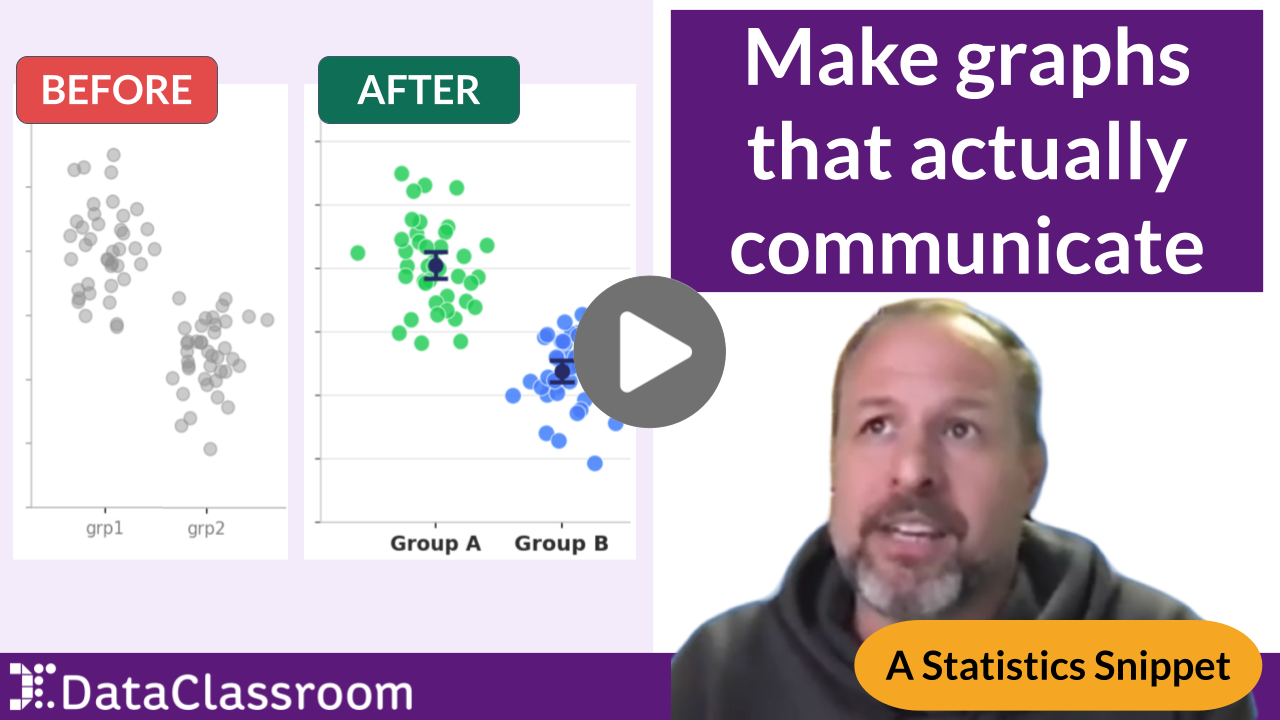
Most students stop at the default. They let the software spit out a graph, slap it in their lab report, and call it done. But a graph that is technically correct and a graph that actually communicates are two very different things. In this post we break down the difference between a graph that is clear — accurate, readable, honest — and one that is loud — intentional, persuasive, memorable. Using a real biodiversity dataset, we walk through every design decision that turns a forgettable default plot into a figure worth putting in a publication.
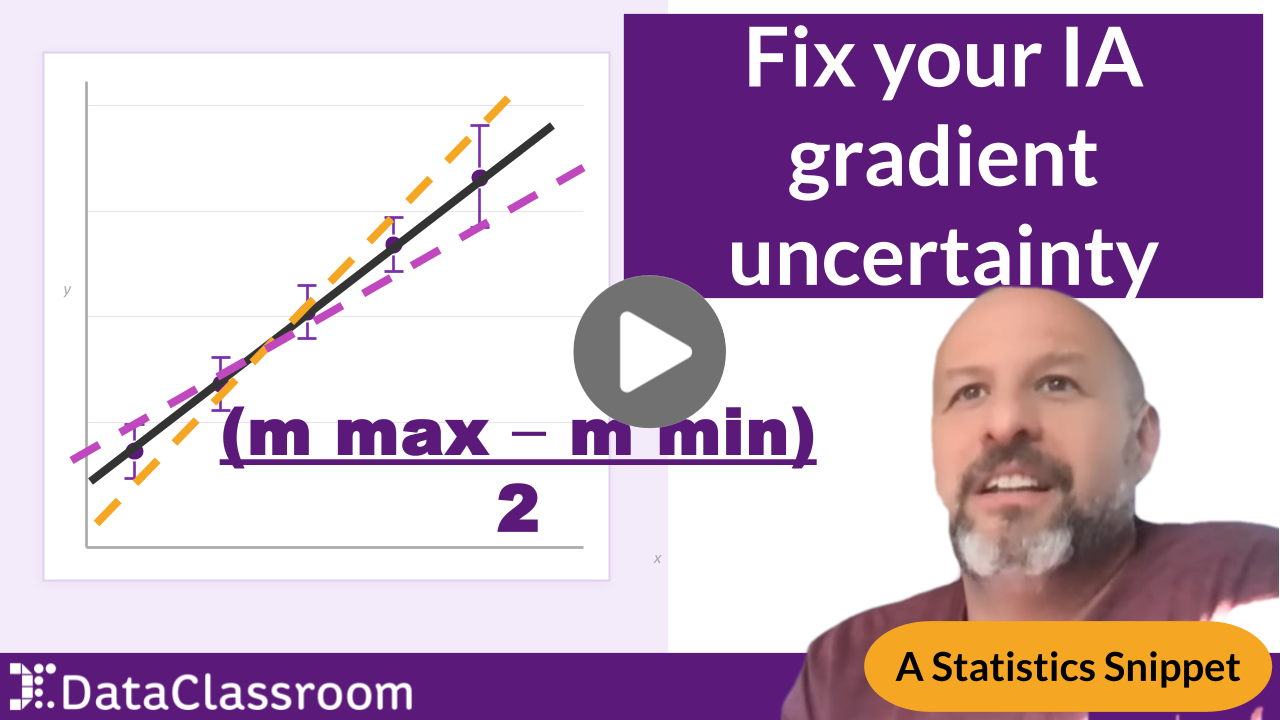
Read MoreMinimum and maximum gradients are one of the most searched — and most misunderstood — techniques in IB Physics. In this clip, we explain exactly how min/max gradient lines are drawn, why IB Physics uses them instead of a standard 95% confidence interval band, and how to add custom error bars using your own calculated uncertainty values.
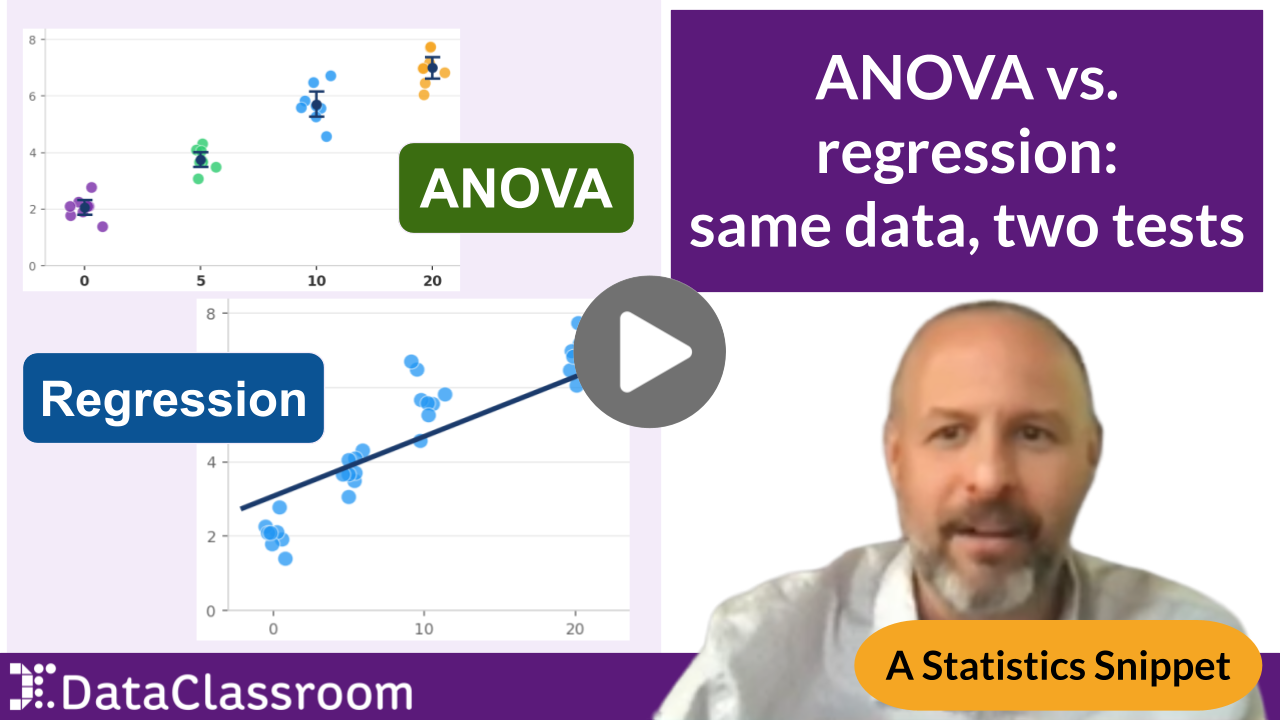
Read MoreANOVA or linear regression — which statistics test should you use? In this clip, we run the same dataset both ways and show exactly how the results differ. When concentration is treated as a categorical variable, ANOVA tests whether group means differ. When it's treated as numeric, linear regression tests whether there's a relationship between the two variables. Both can be valid — the right choice depends on your hypothesis. Essential viewing for any student learning how to choose a statistical test.
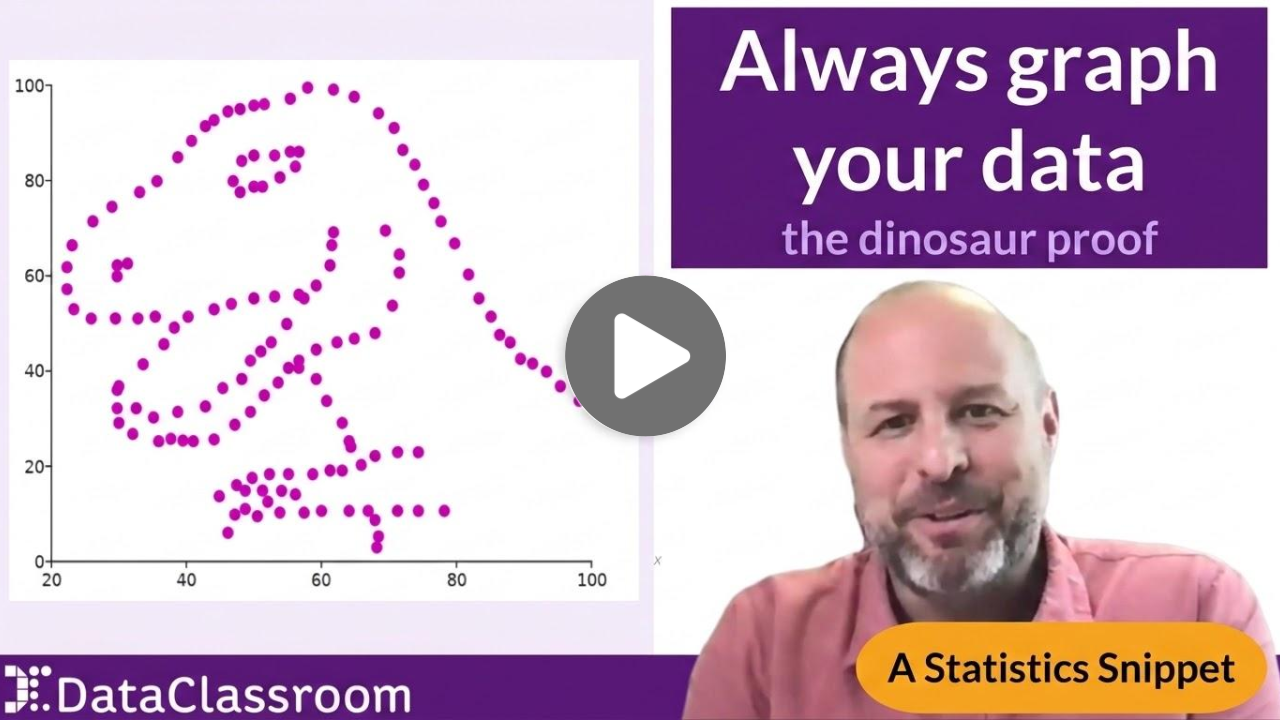
Read MoreSummary statistics feel reassuring. The mean, the standard deviation, the R squared — if those numbers look right, the data must be fine, right? Not necessarily. The Datasaurus Dozen is a famous dataset designed to prove exactly that point: multiple groups of data can share nearly identical summary statistics while looking completely different when graphed. One of them is a dinosaur. In this post we break down what the Datasaurus Dozen reveals about data visualization — and why your students should always plot their data before drawing any conclusions.
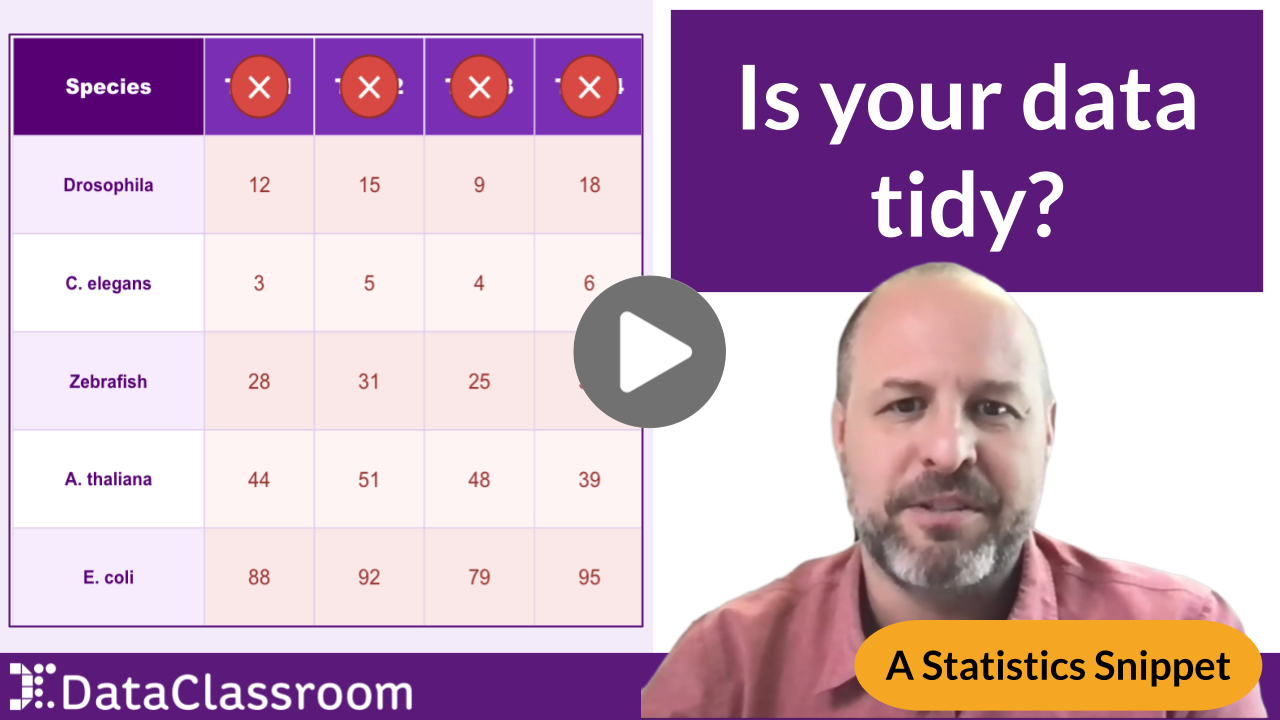
Read MoreTidy data is the foundation of every major data analysis tool — R, Python, SPSS, and beyond. In this clip, we break down the three rules of tidy data: every variable gets one column, every observation gets one row, and every value has its place. We show the most common untidy spreadsheet mistake students make, and how to fix it. If your students are doing any kind of science data analysis, tidy data is where to start.
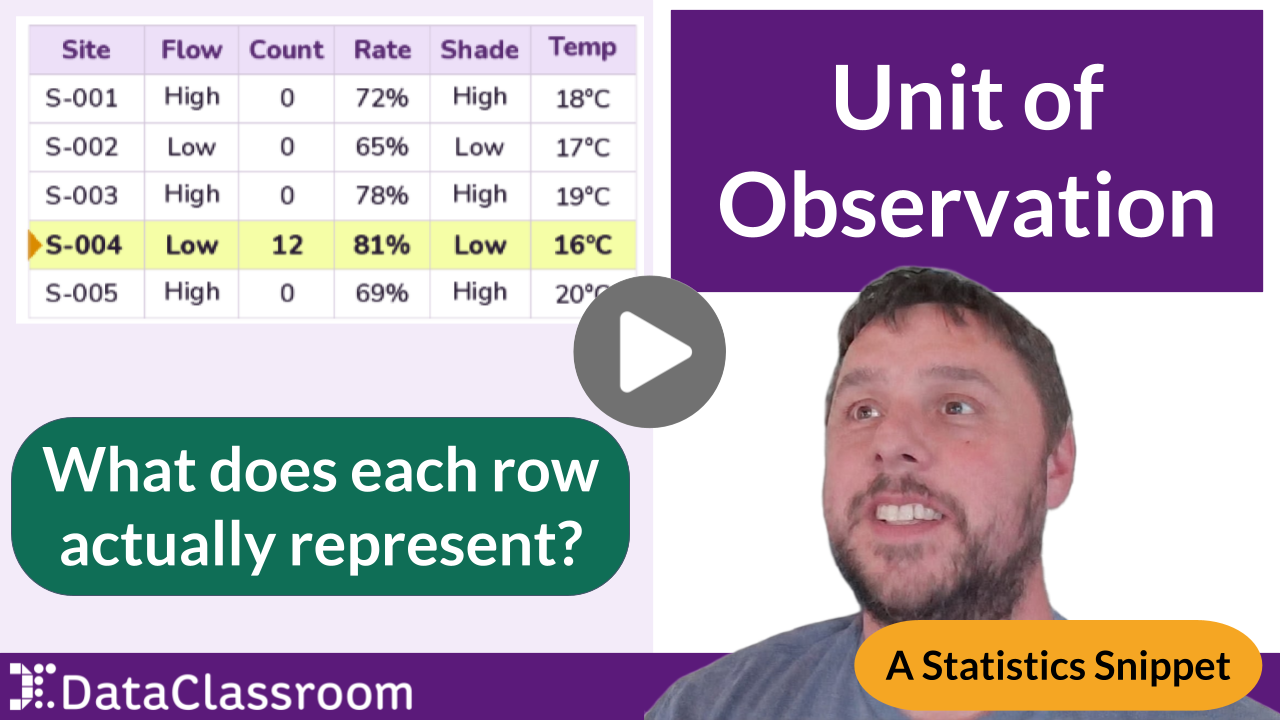
Read MoreMost students know how to read a data table. Far fewer know how to ask the right questions of one. The unit of observation — what each row in a dataset actually represents — determines every question you can legitimately ask of your data. Get it wrong and your entire analysis goes sideways. In this post we break down what the unit of observation is, why it trips up students (and teachers), and how to identify it quickly in any dataset.
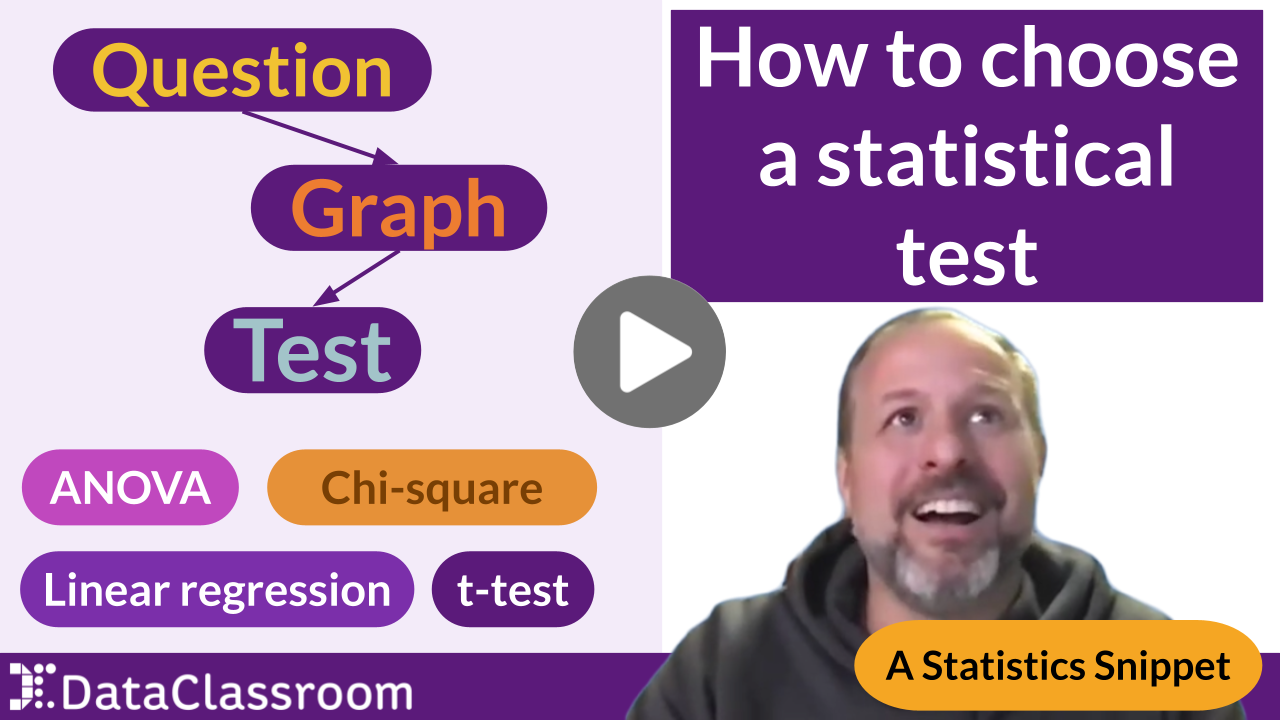
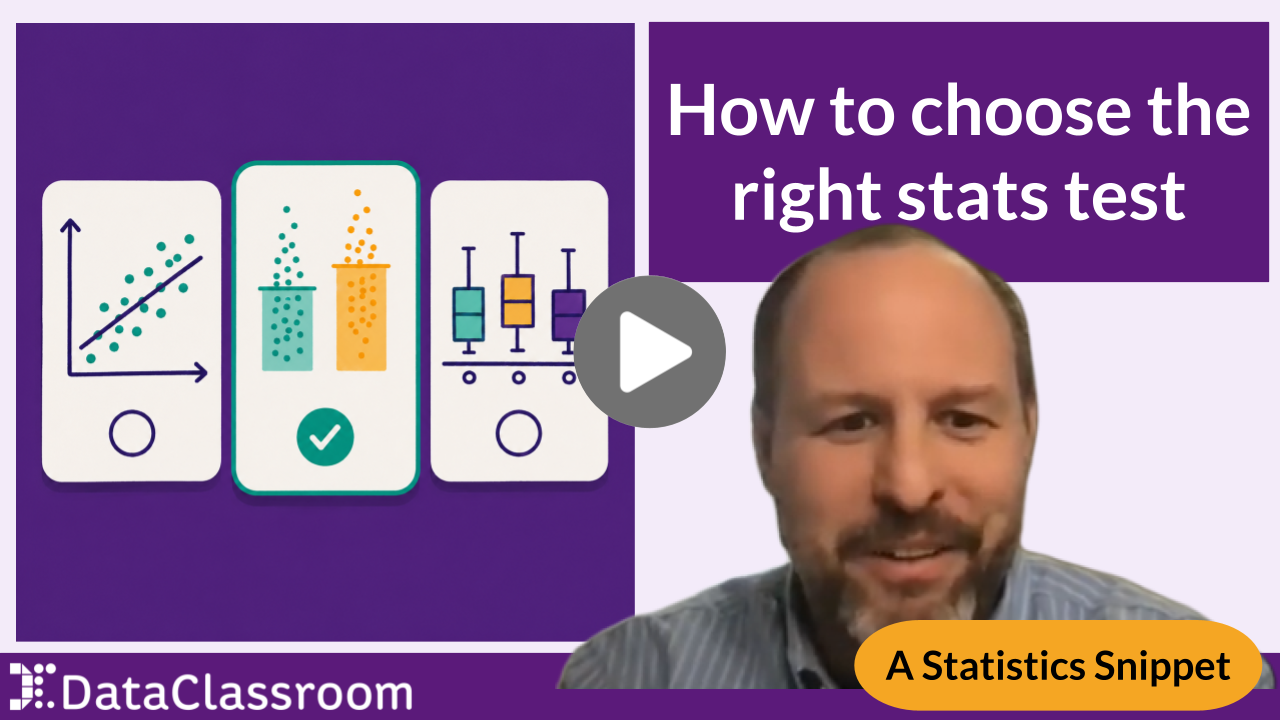
Read MoreHow do you choose the right statistical test for your data? Whether you're deciding between a t-test and chi-square test, or just starting to learn statistics for biology, this video gives you a simple framework: start with your research question, choose the right graph, and the correct statistical test becomes clear. Based on a graph choice chart from The Science Teacher journal, this approach helps middle school, high school, and college students pick the right statistical test every time — for science fair projects, AP Biology labs, IB Science investigations, and beyond.
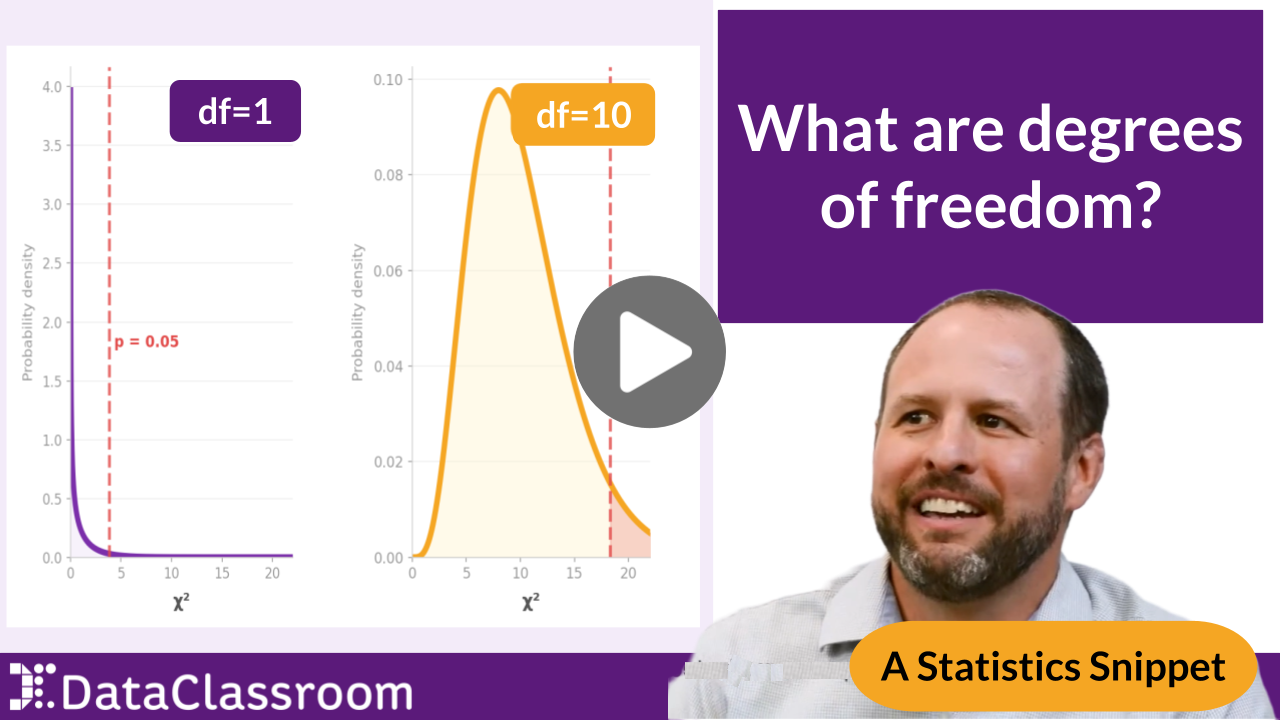
Read MoreWhat are degrees of freedom? This clip clarifies how changing degrees of freedom for a Chi-Squared test effects statistical outcomes.
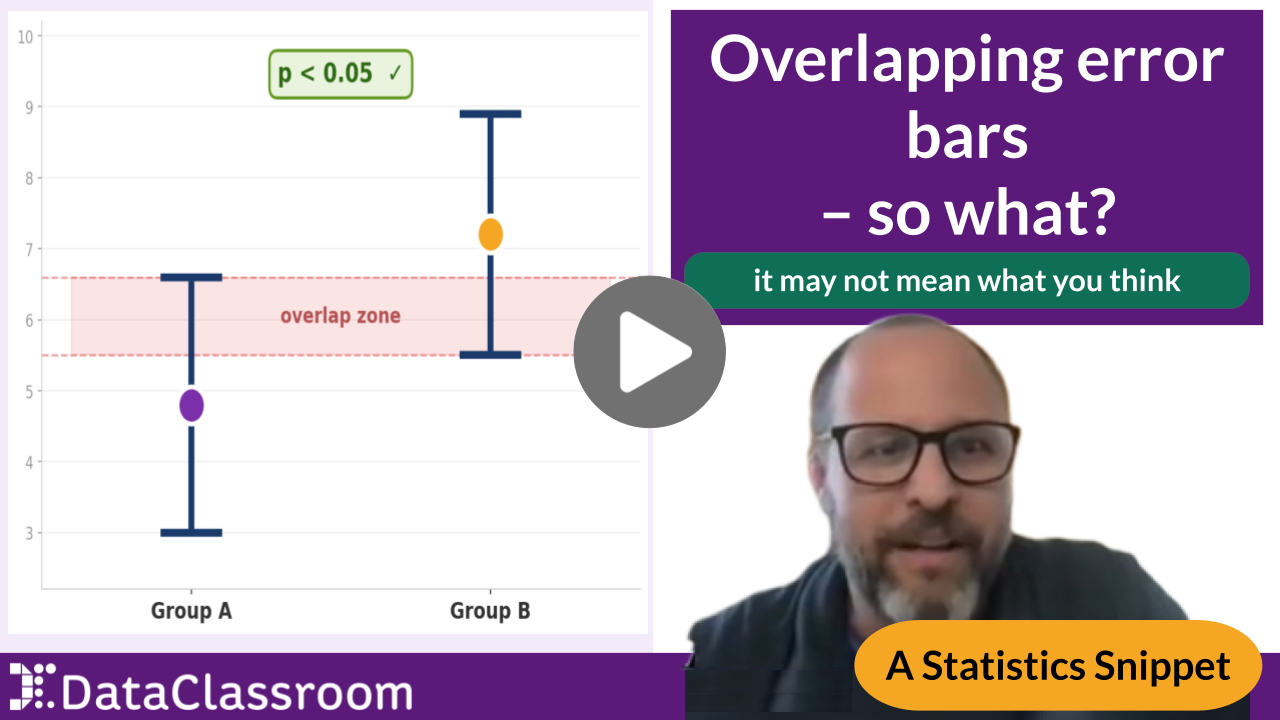
Read MoreWhat does it mean when error bars overlap?
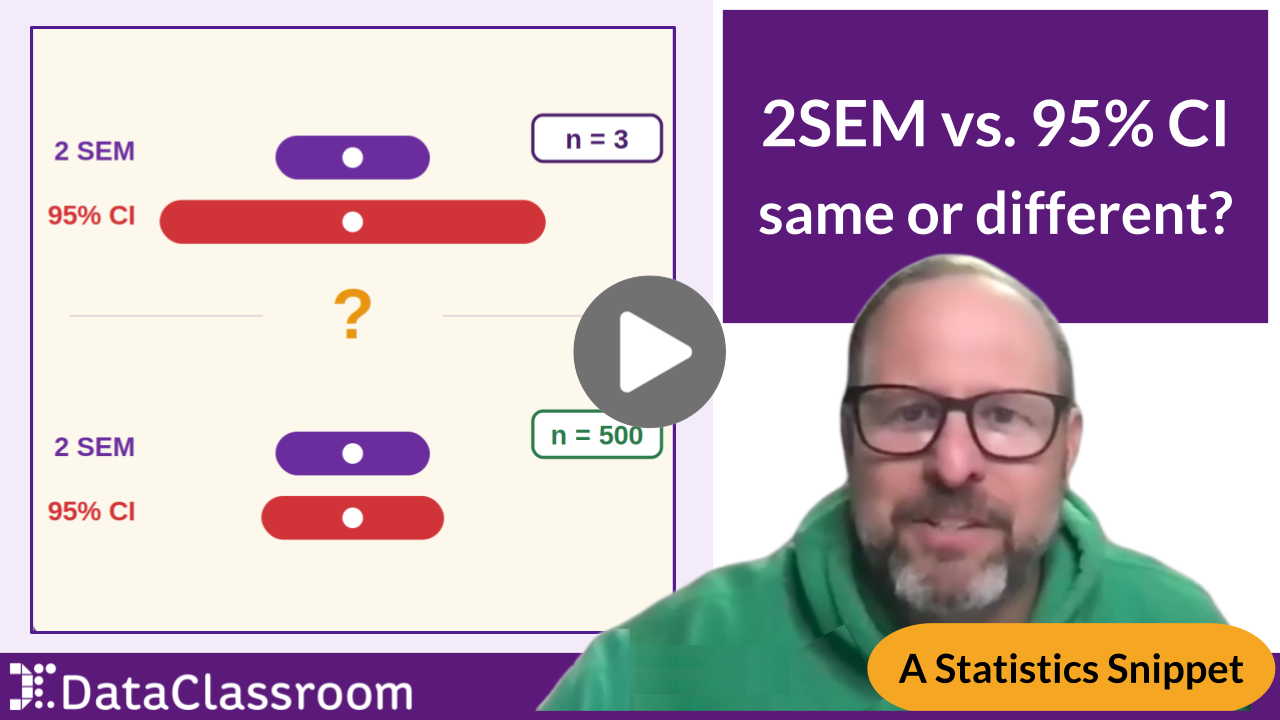
Read MoreAre confidence intervals and standard error the same? We have the answer.
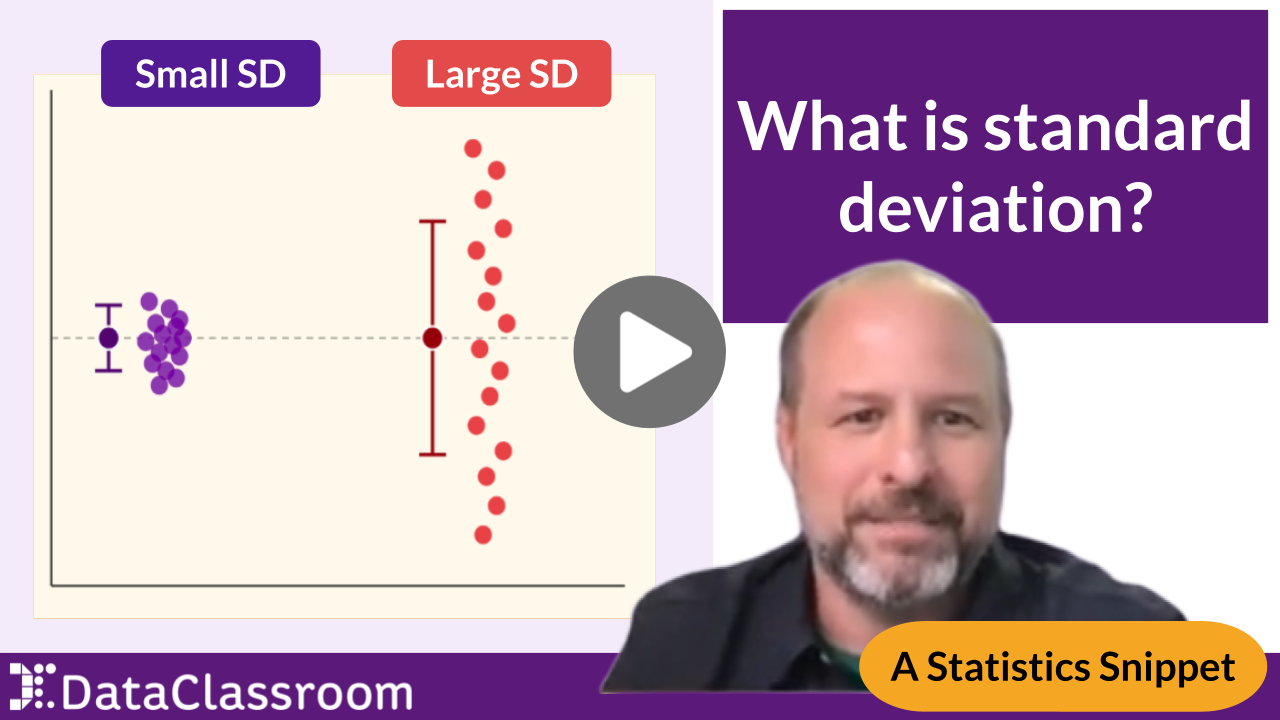
Read MoreWhat even IS standard deviation? In this short clip, we’ll clear it up.
Read More