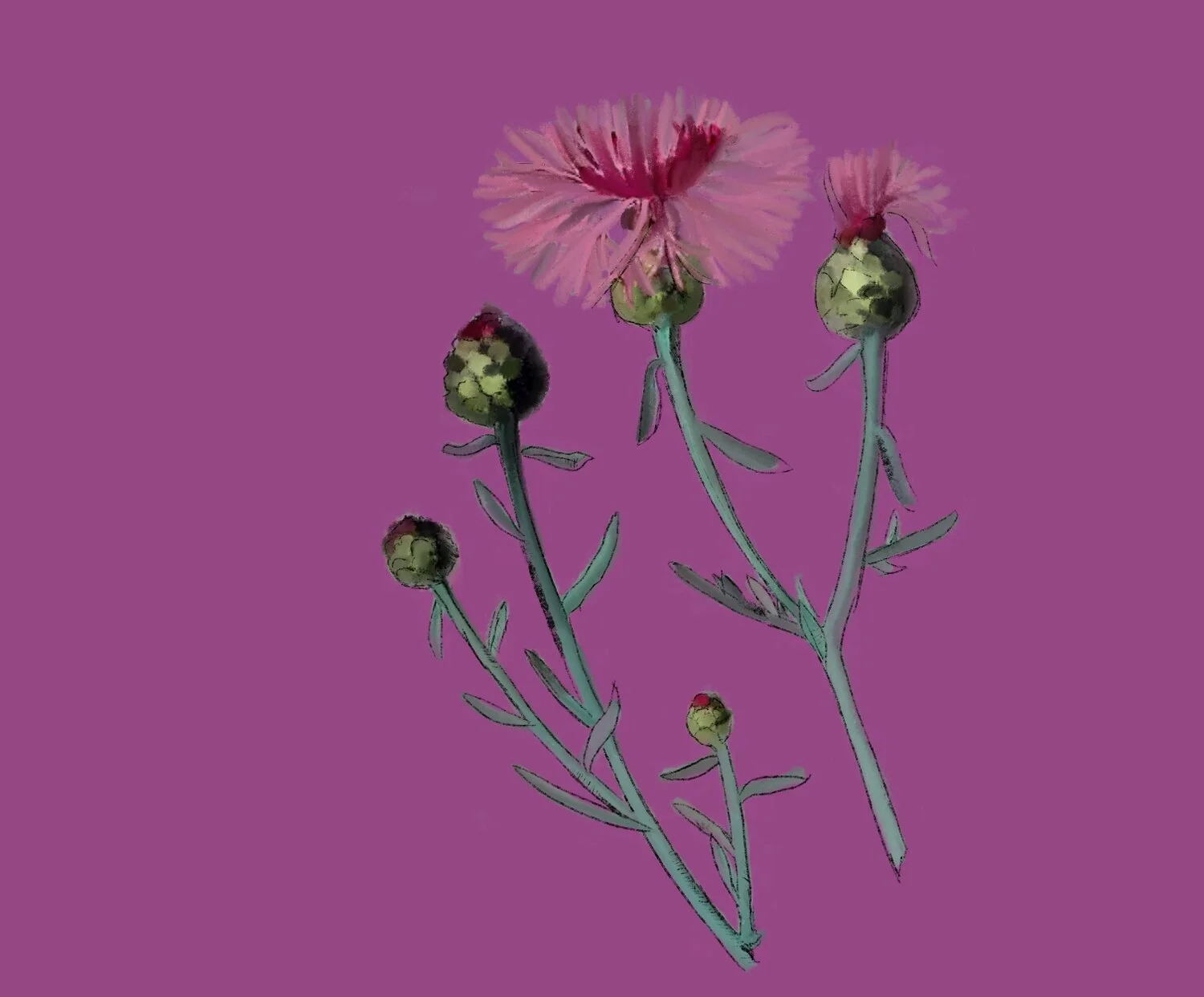
Do insects prefer local or foreign foods?
Do insects prefer local or foreign foods? Featured scientist: Elizabeth Schultheis from Michigan State University Research Background: Insects that feed on plants, called herbivores, can have big effects on how plants grow. Herbivory can change the size and shape of plants, the number of flowers and seeds, and even which plant species can survive in a habitat.
Read More
Mass Shootings and Gun Ownership Around the World
When the tragedy of a mass shooting repeats itself in cities across the United States, we find ourselves asking why it happens. While gun violence is not a uniquely American problem, more mass shootings occur in the United States than in any other country on earth. And they keep happening. What can explain this? Data can provide insights into the underlying factors that may be responsible for gun violence in the United States.
Read More
A Tail Of Two Scorpions
A Tail Of Two Scorpions
Do painful scorpion stings affect the behavioural choices of the grasshopper mouse?
Read More
All I want for Christmas is ...
This Ready-to-Teach dataset contains the number of Spotify streams of "All I Want For Christmas is You" by country on the 48 hours of Christmas Eve and Christmas Day as well as the song's country-specific mean rank among all songs over the holiday season.
Read More
Snapshot of Biodiversity
Since it can be difficult and time consuming to observe wild mammals, researchers use camera traps to record data on the populations of interest. Camera traps are motion-activated cameras that photograph any animal that passes in front of the camera. The photos are then reviewed to identify which species were captured on camera and how frequently they were recorded in the photos. These data can then be used to answer research questions about biodiversity in the surrounding area and inform the Maijuna’s conservation management plan.
Read More
Shake a tail feather
"The sight of a feather in a peacock's tail, whenever I gaze at it, makes me sick."
That is what Charles Darwin wrote when first thinking about the showy and elaborate tail feathers of the male peacock. If traits that aided in survival were selected for and were more likely to be passed on to the next generation, how was it that evolution by natural selection could produce something like the brightly colored and elaborate tail feathers of a peacock?
Read More
Plastic, not so fantastic
In 2015, over 381 million tonnes of plastic was produced globally. That is equivalent to the mass of two-thirds of the world population! Take a look around and see how many plastic items you can find. All of those water bottles, straws, and plastic grocery bags add up and their waste is making a large negative impact on our oceans and wildlife.
Read More
Reaction Rate Lab
It is sometimes important to know how quickly a particular chemical reaction occurs. We can discern this information by measuring either the amount of reactant(s) consumed over time or the amount of product(s) produced over time.
Read More
Scoop up a not-so-scary data lesson for Halloween
Halloween can be a tough day to keep kids focused on your class. We hope this quick activity can make things just a bit easier for your lesson plan this Thursday.
Read More
Are finders keepers around the world?
Do people really return lost wallets? Find out with a Ready-to-Teach graph activity.
Read More
This activity is a slam dunk
Your students can easily make the graph in seconds and spend their time thinking about which is the better measure of central tendency, mean or median, to describe the salary of an NBA player. You can use our discussion questions (included in the dataset description) or write your own.
Read More
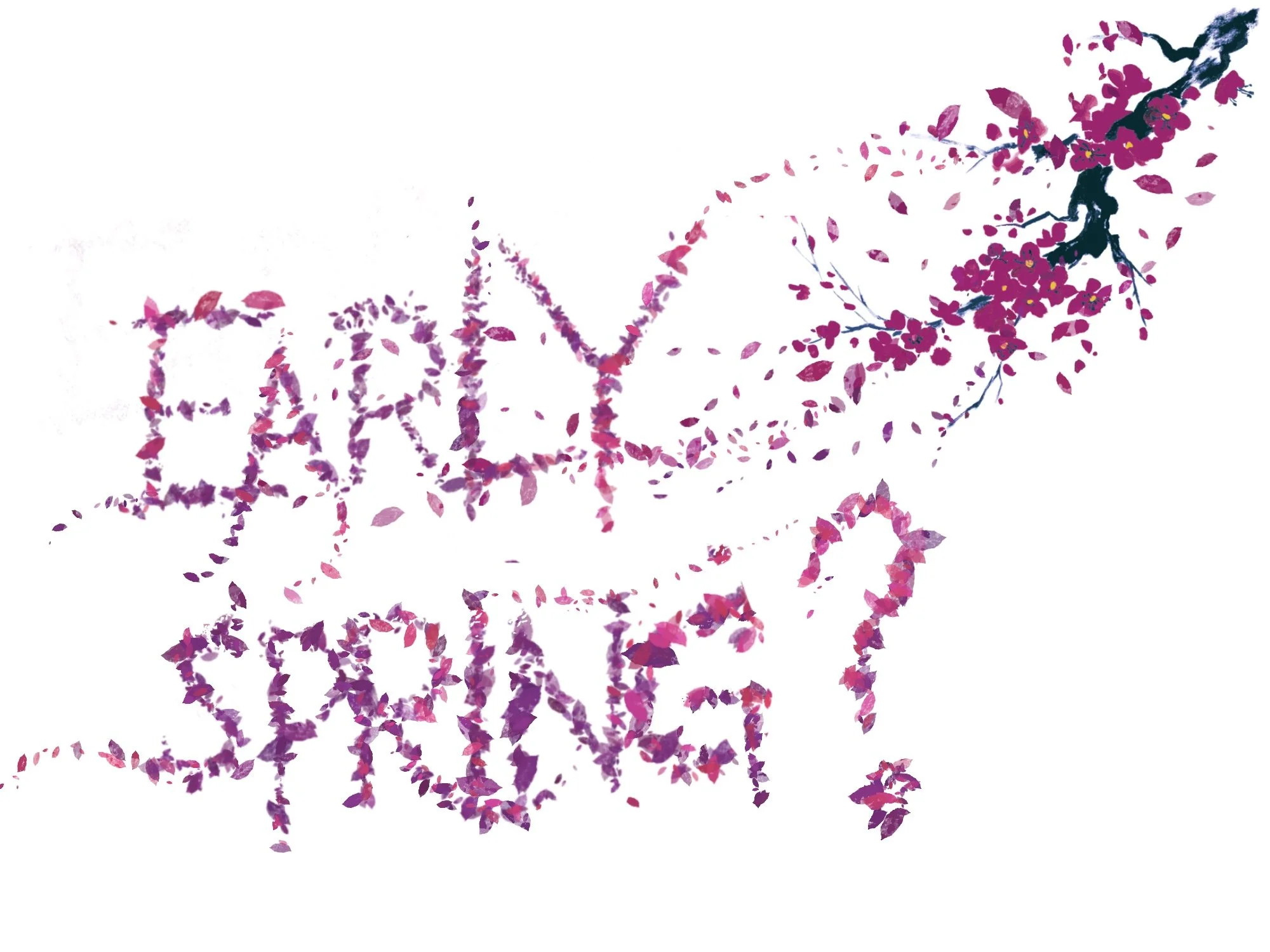
Early Spring in Kyoto?
Each spring the cherry blossoms, “sakura” in Japanese, put on a natural spectacle that has been of major importance to Kyoto, Japan going back at least as far as the 9th Century. Since that time, records have been kept to document the “full flowering date” when the blossoms are at their peak on the cherry trees.
This has made for a very strong dataset to indirectly look at climate change and look for any effect on the timing of season. Explore this dataset to look for any patterns in the data that may reveal a change in the timing of spring in Kyoto, Japan.
Read More
A long term crisis
Visualizing the last 30 years of the US Opioid Epidemic. The Center for Disease Control manages a database with every cause of death for each death reported across the country. With regard to the causes of death related to drug overdose, the CDC has reliable data going back to 1989, which we used for this activity.
Read More